
2026-10-11 · David Miller
How to Spot Termite Mud Tubes After Columbia Summer Storms
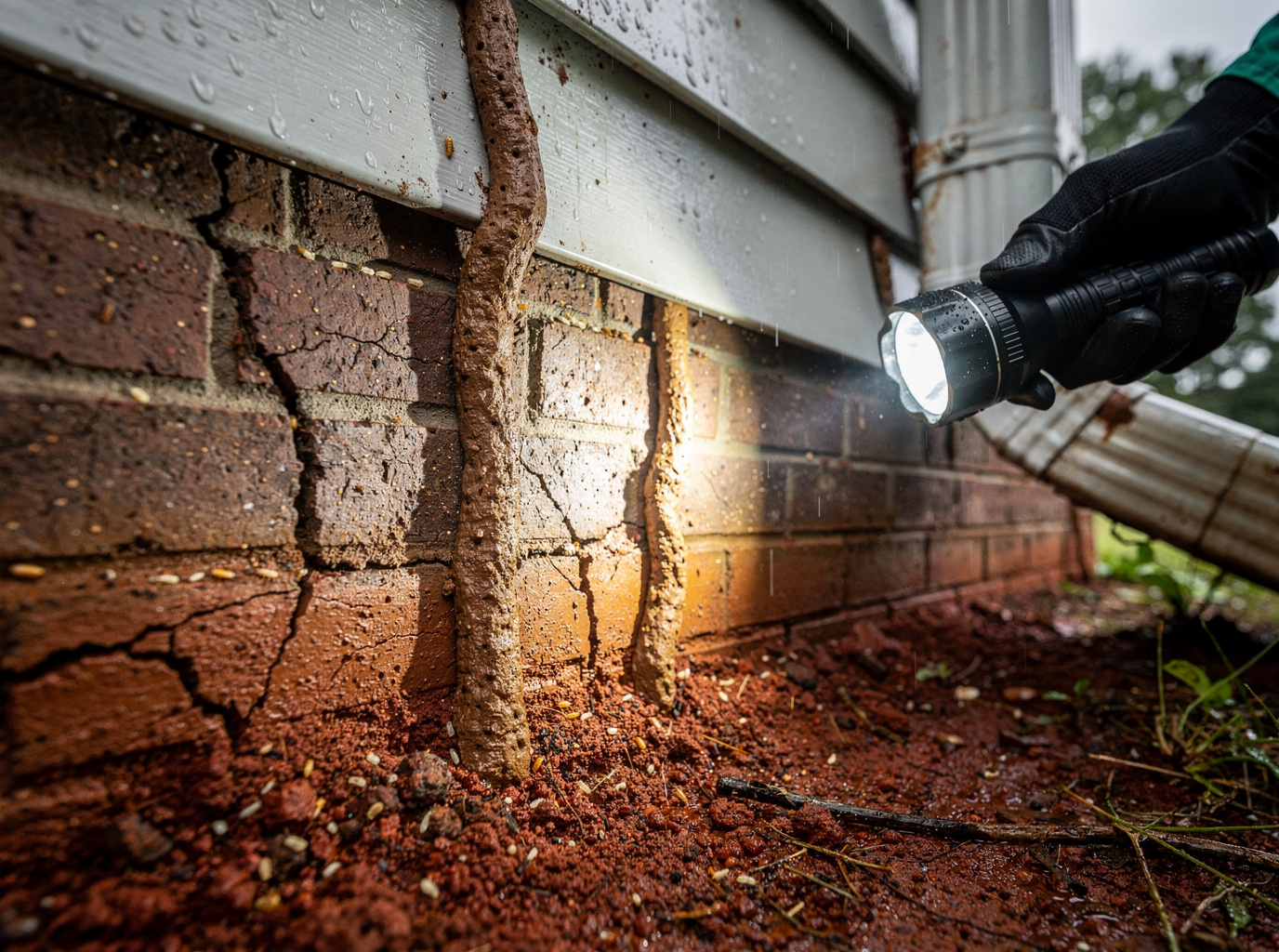
After a heavy summer storm in Columbia, like the intense downpours we often experience, it's crucial to inspect your property for termite mud tubes. These pencil-sized tunnels, constructed by subterranean termites, are their highways from the soil to the wood in your home, protecting them from predators and dry air. The increased ground moisture from these storms provides ideal conditions for termites to build and extend these tubes, making them more prominent and easier to spot on foundations, crawl spaces, and even interior walls. Early detection of these tubes, which can appear anywhere from 24 hours to a few days after significant rainfall, is your best defense against extensive termite damage, especially in older homes common in areas like Shandon or Rosewood.
Understanding Termite Behavior in Columbia's Climate
Columbia's humid subtropical climate, characterized by hot summers and mild winters, creates an environment where subterranean termites thrive year-round, but especially after summer storms. The consistent moisture in the soil, particularly after heavy rainfall, allows these termites to move freely and expand their colonies closer to your home's foundation. Unlike drywood termites, which can infest wood directly, subterranean termites require contact with soil to maintain their moisture levels. This is why their mud tubes are so critical to their survival and why they become more active and visible after a storm. Properties in low-lying areas or those with poor drainage, common in some parts of Earlewood or near Finlay Park, are particularly susceptible, as saturated soil provides easy access points for these pests to begin their destructive work.
The typical housing stock in Richland County, ranging from historic homes in the Vista to more modern constructions in Forest Acres, all face this threat. Older homes, with their established wood structures and potential for unnoticed moisture issues, are often at higher risk. Termites are constantly searching for new food sources, and a sudden influx of moisture after a storm can trigger a surge in their foraging activity, leading to the rapid construction of new mud tubes. Understanding this behavior is the first step in effective termite control and protecting your investment.
Where to Look for Mud Tubes After a Storm
When inspecting your property after a Columbia summer storm, focus on areas where your home meets the ground or where wood is close to soil. The foundation is the most common place to find mud tubes. Walk around the entire perimeter of your house, paying close attention to both interior and exterior foundation walls. Look for thin, winding lines of mud, typically the width of a pencil, extending from the ground up onto concrete, brick, or wood. These can be faint or very distinct, depending on the age of the tube and the amount of recent termite activity. Don't forget to check the crawl space, if you have one. This dark, often damp environment is a prime location for termites to build their concealed pathways. Use a flashlight and inspect all support beams, subflooring, and foundation piers for any signs of these tell-tale tubes.
Beyond the immediate foundation, inspect any wooden structures that touch the ground, such as deck posts, porch supports, and fences. Even landscaping timbers or firewood piles stacked too close to the house can serve as a bridge for termites to access your home. Pay particular attention to areas around plumbing and utility penetrations, as these often provide hidden entry points and consistent moisture. In neighborhoods like Five Points or near the University of South Carolina, where buildings might be older and have more complex foundations, a thorough inspection of every nook and cranny is essential. Remember, termites are masters of stealth, and their tubes can blend in with dirt or shadows if you're not looking carefully. For a more comprehensive guide on these tell-tale signs, you can visit our page on Termite Mud Tubes.
Distinguishing Active vs. Inactive Tubes
Once you've identified potential mud tubes, the next step is to determine if they are active. An active mud tube will typically be damp and contain live termites. You can test this by gently breaking off a small section of the tube. If you see tiny, pale, ant-like insects scurrying within the tube, or if the tube appears moist inside, it’s a strong indicator of an active infestation. Inactive tubes, on the other hand, will be dry and brittle, and you won't find any termites inside. While an inactive tube doesn't necessarily mean the termites are gone (they might have simply abandoned that particular pathway for a new one), it does mean that specific tube is not currently in use.
Even if a tube appears inactive, it's not a reason to ignore it. Termites can rebuild or create new tubes very quickly, especially after favorable conditions like a summer storm. It's always best to treat any mud tube as a potential sign of a current or past infestation that warrants further investigation. After breaking a tube, check back in a few days. If the tube has been repaired or rebuilt, you definitely have an active termite problem. This vigilance is especially important in areas like Lexington or West Columbia, where homes are constantly exposed to the same humid conditions as Columbia.
What to Do After Finding Mud Tubes
If you discover mud tubes, whether active or inactive, the most important step is to contact a professional termite control service. While it might be tempting to remove the tubes yourself, this can actually disrupt their activity temporarily, making it harder for professionals to locate the colony and implement an effective treatment plan. A professional inspection will accurately identify the extent of the infestation, the type of termites involved, and the most appropriate treatment. They have the expertise and specialized tools to detect hidden colonies that you might not see.