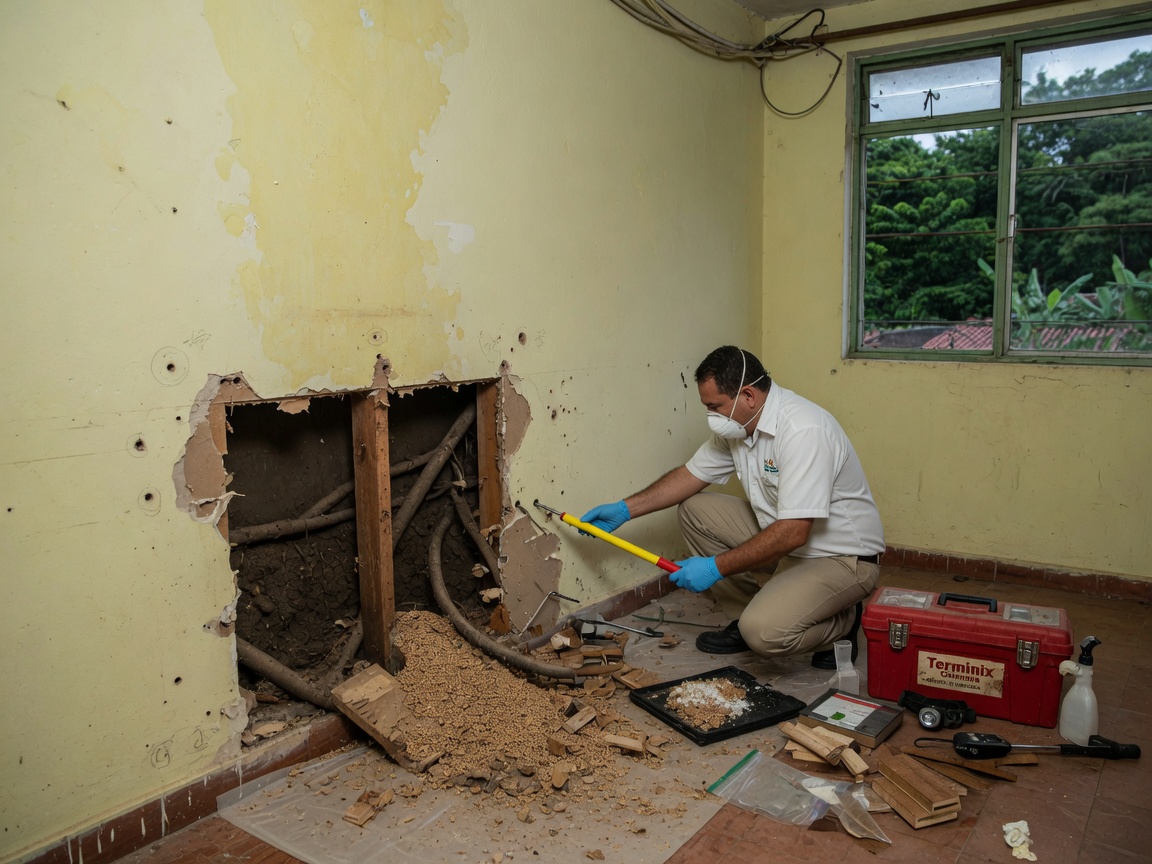
In Columbia, especially in older neighborhoods like Shandon, Rosewood, and Earlewood, termites often go undetected for extended periods because they operate within the unseen structures of your home's walls. The humid subtropical climate of Richland County, with its hot summers and mild winters, creates an ideal environment for subterranean termites to thrive year-round. These pests seek out moisture and cellulose, making the wood framing, drywall, and even insulation inside your walls prime targets. Early detection is crucial, as significant structural damage can occur before any outward signs become obvious. We focus on identifying subtle indicators that homeowners often miss, preventing extensive repairs down the line.
Understanding the construction prevalent in areas like Forest Acres and Five Points helps us pinpoint common entry points and vulnerable areas. Many homes here feature crawl spaces or slab foundations, both of which can provide hidden access for termites to reach wall cavities. We look for indirect signs such as faint clicking sounds from within walls, which can indicate termites chewing, or slight buckling in paint or wallpaper that suggests moisture accumulation or tunneling beneath the surface. Sometimes, the only visible evidence might be a tiny pinhole in drywall where termites have breached the surface, often sealed back up with mud. Our approach is to systematically investigate these clues, differentiating termite damage from other issues like water damage or settling.
When assessing for termites in walls, we consider the entire structure, not just isolated spots. Termites rarely limit their activity to a single wall section. They follow the wood grain and can travel extensively through studs, joists, and subflooring. This means that a small sign in one room could indicate a much larger infestation spreading throughout your property, potentially reaching from the foundation up to the attic. Given Columbia's consistent humidity, moisture issues—whether from plumbing leaks, roof defects, or poor drainage—can exacerbate termite problems by softening wood and attracting colonies. Our inspections account for these local conditions, ensuring we provide a comprehensive assessment of your home's vulnerability and any existing activity.
Identifying termite droppings (frass) or discarded wings near windowsills or baseboards can be a critical clue, even if the main colony is hidden within walls. While drywood termites produce pellet-like frass, subterranean termites typically leave behind mud tubes. These tubes, often the diameter of a pencil, can sometimes extend from the ground up into wall voids, or even be found running along pipes or electrical conduits inside the walls. We also look for subtle changes in the texture of walls, such as areas that sound hollow when tapped, or soft spots that give way under light pressure. These are strong indicators that termites have been actively consuming the cellulose materials within, compromising the structural integrity of your home.
Technician insight
In Columbia, the thing that catches most people out with signs of termites in walls is how often it's mistaken for water damage. Especially in older homes in neighborhoods like Vista or Five Points, where plumbing might be aging, a subtle bulge or discoloration on drywall is often dismissed as a leak. But with our consistent humidity, termites are always looking for moisture, and they'll exploit even minor water damage to establish a colony within your walls, making it crucial to get a professional to distinguish between the two.
Hidden Termite Damage in a Rosewood Home
A homeowner in Rosewood called us about faint clicking sounds coming from their living room wall, which they initially thought was just the house settling. During our inspection, we found no external mud tubes, but a careful tap test revealed a hollow sound in a section of the wall near a window. We discovered active subterranean termites had tunneled extensively within the wall cavity, consuming the wood studs and drywall paper. We implemented a targeted treatment plan that eliminated the colony, preventing further structural damage to their home.
Signs of Termites in Walls Services We Offer
✓Interior Wall Inspection
Thorough examination of internal wall structures, including drywall, baseboards, and window frames, to detect subtle signs of termite activity and damage.
✓Mud Tube Tracing
Identification and tracing of subterranean termite mud tubes along foundation walls, pipes, and within wall voids to locate active colonies and entry points.
✓Sound and Tap Testing
Utilizing specialized techniques to listen for termite activity and identify hollow-sounding or compromised sections of walls that indicate internal wood damage.
✓Moisture Assessment for Termites
Evaluation of moisture levels within wall cavities and surrounding areas, as excess moisture often attracts and sustains termite colonies in Columbia's humid climate.
✓Frass and Wing Identification
Careful search for termite droppings (frass) or discarded wings near walls, which are key indicators of drywood or swarm activity even if the main nest is hidden.
✓Foundation to Wall Void Analysis
Detailed inspection from the foundation up into wall voids, understanding how termites can travel unseen from the soil into your home's structural elements.
Signs of Termites in Walls Cost in South Carolina
| Service | Typical Range | What Affects It |
|---|---|---|
| Termite Inspection (Signs in Walls Focus) | $75–$150 | Price varies based on home size and accessibility; may be credited towards treatment if required. |
| Localized Treatment (Small Area) | $300–$800 | For confirmed, localized termite activity in a single wall section; depends on severity and accessibility. |
| Full Home Termite Treatment | $800–$2500+ | If signs in walls indicate a wider infestation requiring comprehensive treatment; varies greatly by home size and construction. |
Ranges are typical for South Carolina and confirmed with an exact written quote before any work starts.
How it works
- 1
Initial Consultation & Exterior Scan
We begin with a discussion of any concerns you've noticed and conduct an initial exterior scan of your home's foundation and perimeter for visible mud tubes or entry points, especially common in older homes around the University of South Carolina campus.
- 2
Interior Wall Assessment
Next, we move inside, meticulously inspecting walls, baseboards, window sills, and door frames for subtle signs like pinholes, discolored paint, buckling drywall, or frass, paying close attention to areas near water sources.
- 3
Acoustic & Visual Confirmation
We use tapping techniques and visual aids to detect hollow spots or active termite sounds within walls, helping to pinpoint the exact location and extent of potential infestations.
- 4
Detailed Findings & Recommendations
After our thorough inspection, we provide a clear explanation of our findings, including any evidence of termites in your walls, and present a detailed plan for effective treatment and prevention tailored to your property.
Pricing
Our inspection for signs of termites in walls is typically a standalone service, with treatment costs provided after a thorough assessment.